Stainless steel has become one of the most versatile and widely used materials in the world, shaping industries ranging from construction to healthcare. Known for its strength, durability, and resistance to corrosion, stainless steel products are integral to modern life. Whether in household kitchens, skyscraper structures, or surgical equipment, stainless steel provides a unique blend of functionality and aesthetic appeal. Its rise in popularity is not just due to practicality but also sustainability, as it is recyclable and environmentally friendly. Understanding the significance of stainless steel products helps highlight why this material is a cornerstone of modern stainless steel commercial sink .
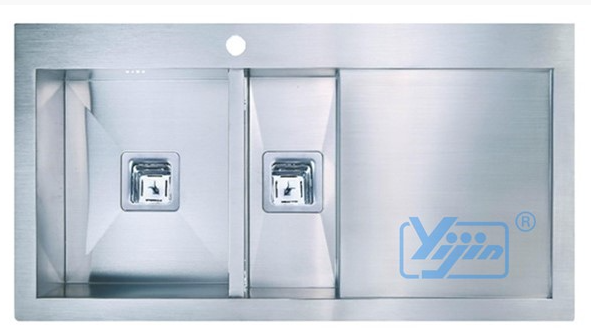
Stainless steel is primarily an alloy of iron, containing at least 10. 5% chromium, which gives it its defining property: resistance to rust and corrosion. The chromium forms a passive layer on the surface, preventing oxidation and ensuring long-term performance even in harsh environments. This makes stainless steel products especially useful in industries where hygiene, strength, and longevity are critical. From cutlery and cookware to industrial machinery, stainless steel’s versatility lies in its ability to resist wear while maintaining a sleek and modern appearance. Different grades and finishes allow it to be tailored for diverse uses, ranging from decorative architectural designs to heavy-duty engineering components.
One of the most common uses of stainless steel products is in construction and architecture. Modern cities are filled with stainless steel elements, including bridges, high-rise buildings, handrails, and facades. Its strength-to-weight ratio makes it ideal for large structures, while its resistance to corrosion ensures durability against environmental elements like rain, humidity, and pollution. Architects favor stainless steel not only for its functionality but also for its contemporary aesthetic. Stainless steel cladding, roofing, and decorative panels provide a clean, polished look that enhances modern designs. Additionally, stainless steel is often used in reinforcing bars (rebar) in concrete structures, especially in areas exposed to saltwater, ensuring structural safety for decades.
Another important sector where stainless steel products play a crucial role is the food and beverage industry. Since stainless steel is non-reactive and easy to clean, it is ideal for food preparation, storage, and processing. Commercial kitchens rely heavily on stainless steel countertops, sinks, utensils, and appliances because they can withstand high temperatures, frequent washing, and exposure to food acids. Beverage and dairy processing plants use stainless steel tanks and piping systems to maintain hygiene standards, ensuring products remain uncontaminated. At home, stainless steel cookware and cutlery are staples due to their durability and resistance to staining. Unlike other materials, stainless steel does not impart flavors, ensuring food quality remains intact.
Healthcare and medical applications of stainless steel products are equally significant. Hospitals and clinics use stainless steel extensively for surgical instruments, operating tables, trays, and hospital furniture. Its ability to withstand sterilization processes, resist corrosion from bodily fluids, and maintain structural integrity makes it indispensable in medical environments. Implantable devices such as orthopedic pins, plates, and screws are often made of medical-grade stainless steel due to their biocompatibility and strength. Furthermore, laboratories depend on stainless steel equipment for research and testing, ensuring accuracy and safety. In these critical fields, stainless steel products not only enhance functionality but also save lives.
Industrial and transportation sectors also rely heavily on stainless steel products. In chemical and petrochemical industries, stainless steel tanks, valves, and pipelines are essential for handling corrosive substances. Its resistance to heat and pressure ensures safe operations in power plants, oil refineries, and manufacturing facilities. The automotive, aerospace, and railway industries use stainless steel for exhaust systems, fuel tanks, and structural components, benefiting from its lightweight yet durable nature. Even in marine environments, stainless steel products such as propellers, boat fittings, and offshore platforms withstand the corrosive effects of saltwater. This wide industrial application showcases stainless steel’s adaptability and importance in driving global infrastructure and transportation systems.
Sustainability is another reason stainless steel products are valued worldwide. Stainless steel is 100% recyclable without losing its properties, making it one of the most eco-friendly materials available. Recycling stainless steel reduces the demand for raw materials and minimizes environmental impact. Many modern stainless steel products are manufactured with a high percentage of recycled content, supporting global sustainability goals. Additionally, because stainless steel products are long-lasting and require minimal maintenance, they reduce waste and replacement costs. For consumers and industries alike, this makes stainless steel not only an economical choice but also an environmentally responsible one.
In everyday life, stainless steel products surround us in ways we often overlook. From smartphones and watches to jewelry and water bottles, stainless steel provides durability and elegance. Home appliances like refrigerators, dishwashers, and washing machines are often equipped with stainless steel interiors and exteriors for both functionality and style. Even infrastructure elements such as elevators, escalators, and public transport systems incorporate stainless steel for its resilience and low-maintenance qualities. Its presence in both small household items and massive industrial projects reflects its remarkable versatility.
The future of stainless steel products looks promising as technology and manufacturing processes continue to evolve. Innovations in metallurgy are leading to stronger, lighter, and more specialized grades of stainless steel tailored to specific industries. For instance, duplex stainless steel combines high strength with corrosion resistance, making it suitable for offshore oil and gas applications. Advanced surface finishes and coatings are expanding the design possibilities in architecture and consumer goods. With growing emphasis on sustainability and efficiency, stainless steel products will remain at the forefront of material science, supporting industries and consumers alike with their unmatched qualities.
In conclusion, stainless steel products have become indispensable in nearly every aspect of modern life. Their strength, resistance to corrosion, and adaptability make them suitable for industries ranging from healthcare and food processing to construction and transportation. Beyond their practical benefits, stainless steel products contribute to sustainability efforts by being recyclable and long-lasting. As technology advances, stainless steel will continue to play a pivotal role in shaping industries and improving daily living. From the kitchen to skyscrapers, and from surgical tools to marine structures, stainless steel remains a symbol of innovation, durability, and progress.

Leave a Reply